1. Introduction & Overview
What is Delegated Proof of Stake (DPoS)?
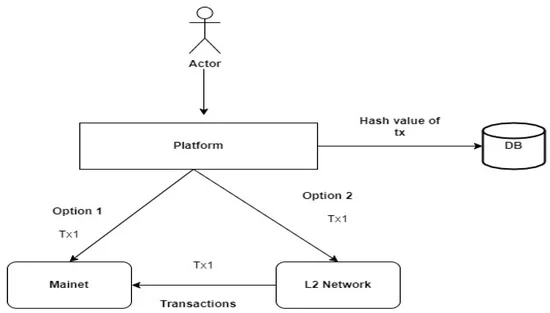
Delegated Proof of Stake (DPoS) is a consensus mechanism used in blockchain networks to validate transactions and maintain decentralization through a system of elected delegates. Unlike Proof of Work (PoW) or Proof of Stake (PoS), DPoS introduces a voting system where token holders elect a limited number of delegates (also called witnesses or validators) to create new blocks and verify transactions.
History or Background
- Introduced by Dan Larimer in 2014, first implemented in BitShares.
- Widely adopted in projects like EOS, TRON, and Lisk.
- Aimed to reduce energy consumption and increase transaction throughput compared to PoW.
Why is it Relevant in DevSecOps?
In the DevSecOps paradigm—where security is integrated into DevOps pipelines—DPoS plays a critical role when:
- Implementing blockchain-based access control, audit trails, and integrity verification.
- Using distributed ledgers for secure CI/CD events logging and immutable deployment histories.
- Building secure decentralized applications (dApps) that are part of software supply chains.
2. Core Concepts & Terminology
Key Terms and Definitions
| Term | Definition |
|---|---|
| Delegates | Voted representatives responsible for validating transactions and generating blocks. |
| Stakeholders | Token holders who vote for delegates. |
| Voting Power | The influence a stakeholder has, proportional to their token holdings. |
| Block Producers | Another term for delegates who actively produce blocks in a DPoS system. |
| Slashing | Penalties imposed on misbehaving delegates (varies by implementation). |
How It Fits into the DevSecOps Lifecycle
| DevSecOps Phase | DPoS Integration |
|---|---|
| Plan | Security planning for dApps; role-based access for delegates. |
| Develop | Smart contract auditing, DPoS voting mechanism code integration. |
| Build | Immutable build pipelines using blockchain validation. |
| Test | Validating blockchain-based workflow integrity. |
| Release | Secure release signing via smart contracts validated by DPoS. |
| Deploy | DPoS-backed decentralized deployment governance. |
| Operate | Real-time monitoring of validator health and logs on-chain. |
| Monitor | Blockchain-based tamper-proof logging of system metrics and events. |
3. Architecture & How It Works
Components
- Voters (Token Holders): Users who stake tokens and vote for delegates.
- Delegates (Validators): Top-ranked by votes; responsible for block production.
- Blockchain Ledger: Immutable record of all operations and votes.
- Governance Smart Contracts: Manage elections, roles, and voting power.
Internal Workflow
- Token holders cast votes for delegates.
- Top N delegates (e.g., 21 in EOS) are selected.
- These delegates take turns producing blocks.
- Voting can change over time, ensuring dynamic governance.
- Slashing or replacement occurs if a delegate misbehaves.
Architecture Diagram (Text Description)
+-----------------+      Vote      +------------------+
| Token Holders   |  ----------->  | Delegates Pool   |
+-----------------+                +------------------+
       |                                 |
       | Cast Votes                      | Select Top N
       v                                 v
+-------------------+         +--------------------------+
| Governance Layer  | <-----> | Blockchain Consensus     |
+-------------------+         +--------------------------+
                                    |
                                    v
                        +-------------------------+
                        | Block Production & Logs |
                        +-------------------------+
Integration Points with CI/CD or Cloud Tools
| Tool | Integration |
|---|---|
| Jenkins/GitLab | Smart contract CI/CD pipelines; delegate selection via blockchain governance. |
| Terraform/Ansible | On-chain configuration state validation. |
| AWS/GCP/Azure | Use blockchain oracles to validate cloud resource policies. |
| Kubernetes | Audit logs stored via DPoS blockchain nodes for immutable compliance. |
4. Installation & Getting Started
Basic Setup or Prerequisites
- Node.js and npm
- Docker or local environment for running blockchain nodes
- Git
- A DPoS blockchain framework like EOSIO, BitShares, or Lisk SDK
Hands-on: Step-by-Step Setup Guide (EOSIO Example)
# Step 1: Clone the EOSIO development tools
git clone https://github.com/EOSIO/eosio-project-boilerplate-simple
cd eosio-project-boilerplate-simple

# Step 2: Start the local blockchain node
docker-compose up -d

# Step 3: Install EOSIO SDK CLI
npm install -g eosjs

# Step 4: Create a test account and deploy contract
cleos create account eosio testaccount <public_key> <public_key>
cleos set contract testaccount ./contracts/test_contract

# Step 5: Simulate DPoS election
cleos system voteproducer prods testaccount delegate1 delegate2 ...
🔒 Tip: Store private keys securely and automate signing using hardware wallets or key vaults.
5. Real-World Use Cases
1. Immutable Deployment Tracking
- All deployments are logged to a DPoS-secured blockchain.
- Any tampering attempts with deployment records are visible.
2. Decentralized Governance in DevSecOps Tools
- Voting for CI/CD feature rollouts or rollback decisions.
- Multiple teams in an enterprise environment can vote via tokens.
3. Access Control & Role Management
- Define infrastructure roles and permissions via on-chain smart contracts.
- Transparent audit of all permission changes.
4. Security & Compliance Validation
- DPoS ensures consensus-based validation of security scans, policies, or SLAs.
Industry-Specific Examples
| Industry | Example |
|---|---|
| Finance | Audit-proof CI/CD pipelines for banking software. |
| Healthcare | Immutable deployment trail for health compliance. |
| Government | Blockchain-based voting on infrastructure policy updates. |
6. Benefits & Limitations
Key Advantages
- ✅ High Scalability: Fast block times and high throughput.
- ✅ Energy Efficient: No mining; lower carbon footprint.
- ✅ Governance Flexibility: Dynamic delegate elections.
- ✅ Decentralized Control: Reduces centralized DevSecOps bottlenecks.
Common Challenges or Limitations
- ⚠️ Centralization Risk: Few delegates may collude.
- ⚠️ Voter Apathy: Token holders may not vote, skewing representation.
- ⚠️ Smart Contract Vulnerabilities: If poorly written, they can be exploited.
- ⚠️ Onboarding Complexity: Requires blockchain knowledge for full integration.
7. Best Practices & Recommendations
Security Tips
- Use hardware wallets or key vaults for validator keys.
- Audit smart contracts with tools like MythX or Slither.
- Apply rate-limiting and access logging for voting and contract interactions.
Performance
- Optimize the number of block producers (21–100 depending on use case).
- Use sidechains or sharding to scale large deployments.
Maintenance
- Monitor delegate performance and rotate underperforming ones.
- Automate contract upgrades with multi-sig controls.
Compliance & Automation
- Integrate with compliance-as-code platforms.
- Use policy agents (like OPA) that read from blockchain logs.
8. Comparison with Alternatives
| Feature | DPoS | PoS | PoW |
|---|---|---|---|
| Energy Efficiency | High | Medium | Low |
| Scalability | High | Medium | Low |
| Security | Medium–High | High | High |
| Governance Flexibility | High | Low | Low |
| DevSecOps Integration | Good | Moderate | Poor |
When to Choose DPoS?
- When governance participation is key.
- When fast confirmation and low energy costs are priorities.
- For enterprise-grade DevSecOps pipelines needing decentralized validation.
9. Conclusion
Delegated Proof of Stake (DPoS) brings governance, scalability, and security to blockchain-driven DevSecOps environments. As DevSecOps evolves toward immutable, decentralized systems, DPoS serves as a robust backbone for CI/CD auditing, decentralized decision-making, and secure software delivery.
Future Trends
- Integration with AI Ops for smart voting mechanisms.
- Multi-chain DPoS ecosystems for cross-cloud deployments.
- Self-healing pipelines triggered by on-chain policy breaches.