Introduction
The world of cryptocurrency can feel overwhelming when you first step into it. You might hear people talking about digital money, blockchain technology, and decentralized finance, leaving you wondering where to begin. While Bitcoin often grabs the headlines as the first cryptocurrency, another major platform dominates the digital landscape. That platform is Ethereum.
If you are trying to understand this ecosystem, looking at Ethereum Explained for Crypto Beginners is one of the best places to start. Ethereum is not just another digital currency; it is a massive global computing network that has changed how we think about software, finance, and digital ownership.
What Is Ethereum?
To understand what is Ethereum, it helps to look beyond the idea of traditional money. At its core, Ethereum is an open-source, decentralized blockchain platform. Unlike a regular computer network run by a single company like Google or Amazon, Ethereum is maintained by thousands of independent computers worldwide.
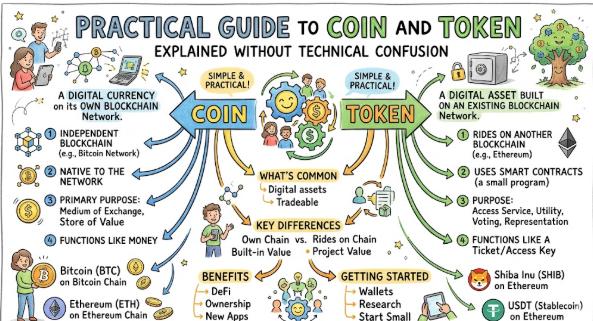
Many people confuse Ethereum with its native cryptocurrency, which is called Ether, or ETH for short. In simple terms:
- Ethereum is the underlying blockchain network and infrastructure.
- Ether (ETH) is the actual digital asset or token that powers the network.
When you look at Ethereum for beginners, the best analogy is to think of Ethereum as a global, decentralized smartphone. Bitcoin acts like a digital wallet used to send and receive value securely. Ethereum, on the other hand, acts like an entire App Store. It allows developers from anywhere in the world to build and run software applications without a middleman controlling the platform. This makes Ethereum far more than digital money; it is a programmable foundation for an entirely new internet ecosystem.
Why Was Ethereum Created?
Ethereum was proposed in late 2013 by a young programmer named Vitalik Buterin. At the time, Bitcoin was gaining popularity as a decentralized digital currency. However, Vitalik realized that blockchain technology could do much more than just track payments and store value.
He envisioned a need for programmable blockchain technology. Bitcoin’s underlying programming language was intentionally limited to maximize security for financial transactions. Vitalik wanted to build a blockchain with a flexible programming language that could allow anyone to write customized rules for transactions.
Ethereum was created to achieve several key goals:
- Enabling Smart Contracts: Creating self-executing agreements that run exactly as programmed without human intervention.
- Supporting Decentralized Applications: Allowing developers to build software apps that do not rely on a single central point of failure.
- Fostering Open Blockchain Innovation: Providing a universal canvas where global developers can build financial and digital tools.
- Expanding Digital Use Cases: Moving blockchain utility beyond simple peer-to-peer payments into fields like lending, digital art ownership, and supply chain tracking.
Basic Ethereum Terms Beginners Should Know
| Term | Simple Meaning | Why It Matters for Beginners |
|---|---|---|
| Ethereum | A blockchain platform for smart contracts and apps | Helps understand the main topic |
| ETH | Native cryptocurrency of Ethereum | Used for transactions and gas fees |
| Smart Contract | A self-running program on blockchain | Powers many Ethereum applications |
| Gas Fee | Network fee paid to process transactions | Important before sending ETH or using apps |
| Wallet | Tool used to store and manage crypto assets | Needed to send, receive, and use ETH |
| Private Key | Secret access key for crypto funds | Must be protected carefully |
| Decentralized App | App built on blockchain without one central owner | Shows Ethereum’s real-world use |
How Does Ethereum Work?
The how Ethereum works concept comes down to a global network of computers working together in perfect agreement. The network does not rely on a central server; instead, it uses a decentralized architecture where every participating computer (called a node) holds a copy of the entire history of transactions.
When someone wants to use the network, whether they are sending ETH to a friend or interacting with a software program, they broadcast a request to the network. Independent participants called validators check that the transaction is legitimate. They ensure the sender has enough funds and that the rules of the network are followed.
Once verified, multiple transactions are grouped together into a “block” and linked to the previous block, creating a permanent, unchangeable chain of data known as the blockchain. To keep the network secure and prevent spam, users must pay a network fee, known as a gas fee, for every action they perform. This fee goes to the validators who spend computing power to keep the system running.
Ultimately, Ethereum applications run without relying on one central server. This means that as long as the global network of computers is online, the applications built on top of Ethereum remain active, censorship-resistant, and accessible to anyone with an internet connection.
How Ethereum Transactions Work Step by Step
To make this practical, let us look at how a standard transaction occurs on the network. Whether you are sending money or using an application, the workflow follows a specific pattern.
- A user opens an Ethereum wallet: The user launches a secure digital application on their phone or browser.
- The user enters the receiver’s wallet address: This address looks like a long string of letters and numbers starting with “0x”.
- The user enters the ETH amount or interacts with a smart contract: The user specifies what action they want to take on the network.
- The wallet shows estimated gas fees: The application estimates the network cost based on how busy the blockchain is at that exact moment.
- The user reviews transaction details carefully: It is vital to check the address, amount, and fees before proceeding.
- The transaction is signed using the private key: The wallet handles this securely behind the scenes when the user clicks “Approve”.
- The transaction is sent to the Ethereum network: The request enters a temporary waiting area with other pending transactions.
- Validators confirm the transaction: Network nodes verify the transaction and bundle it into the next available block.
- The transaction is added to the blockchain: The data becomes a permanent record in the public history.
- The receiver or smart contract reflects the update after confirmation: The balance changes, and the transaction is successfully completed.
What Are Smart Contracts?
When exploring smart contracts explained, think of them as digital vending machines. In a traditional setup, if you want to buy a house, rent an apartment, or execute a financial trade, you usually need a lawyer, a bank, or a broker to make sure everyone plays by the rules.
A smart contract is a self-running program on the blockchain that eliminates the need for these middlemen. It contains code that automatically executes a specific action the moment predefined conditions are met. For example, a simple smart contract could say: “If Person A sends 1 ETH into this fund, then automatically transfer the digital ownership of this specific piece of art to Person A.”
These contracts form the foundation for complex financial systems, digital art marketplaces, games, and secure voting systems. However, while they provide immense automation, they are not flawless. Because humans write the code, smart contracts can still have coding bugs or security risks. If a smart contract has a flaw in its design, bad actors can exploit it, leading to a permanent loss of funds. Therefore, users should understand risks before interacting with smart contracts.
What Are Decentralized Applications?
Commonly referred to as decentralized applications or “dApps”, these are the actual software applications built on top of the Ethereum blockchain. On the outside, a dApp might look and feel just like a regular website or mobile application. However, on the inside, its backend infrastructure is completely different.
Instead of running on a centralized server owned by a corporation, dApps use smart contracts to process data and handle transactions on the blockchain. This structural difference introduces several unique categories of applications:
- DeFi Apps (Decentralized Finance): Platforms that allow users to save, lend, borrow, or trade digital assets directly with each other without traditional banks.
- NFT Marketplaces: Online platforms where creators can mint, buy, and sell Unique Digital Assets (Non-Fungible Tokens) representing art, music, or virtual collectibles.
- Blockchain Games: Video games where players genuinely own their in-game items as digital assets, allowing them to trade or sell them outside the game environment.
- Decentralized Exchanges (DEXs): Digital platforms where users trade different cryptocurrencies directly from their personal wallets without handing over custody of their funds to a central company.
To use these applications, users typically utilize a wallet-based login rather than a traditional username and password. While dApps offer freedom and transparency, there are significant risks of using unknown applications. Anyone can deploy a dApp, meaning some platforms could be poorly coded or designed as malicious traps to steal user funds.
Ethereum Gas Fees Explained Simply
One of the most vital concepts for any newcomer to master is Ethereum gas fees. In simple terms, gas is the fuel required to conduct transactions on the Ethereum network. Every calculation, transfer, or execution of a smart contract requires a specific amount of computational effort, and gas fees are the transaction cost paid to cover that work.
Understanding how gas fees fluctuate is essential for a smooth crypto experience:
- Why users pay gas fees: The fee compensates validators for dedicating their computing power and electricity to keep the blockchain secure and functional.
- Gas fees can change depending on network demand: When thousands of people try to use Ethereum at the same exact time, the network gets congested, causing gas fees to spike sharply.
- More complex smart contract actions cost more: Sending simple ETH from one wallet to another takes very little computing power, so the gas fee is relatively low. Interacting with a complex DeFi lending protocol or minting an NFT requires multiple lines of code to run, resulting in a significantly higher gas fee.
Furthermore, users must know that failed or incorrect transactions may still cost gas in some cases. If you submit a transaction with insufficient gas or if the smart contract hits an error during execution, the network still has to process that work up to the point of failure, meaning you will lose the gas fee even if the transaction does not complete successfully.
Ethereum Wallets and Private Keys
To interact with the Ethereum blockchain, hold ETH, or use decentralized applications, you need an Ethereum wallet. Unlike a traditional leather wallet that physically holds paper cash, a crypto wallet does not store digital coins. Instead, it holds your digital cryptographic keys that give you the authorization to access and move your funds on the public blockchain.
There are two primary categories of wallets you can choose from:
- Hot Wallets: Software applications installed on your smartphone, computer, or web browser. They are connected to the internet, making them incredibly convenient for regular trading and interacting with dApps, though they are more vulnerable to malware and online hacking attempts.
- Cold Wallets: Physical hardware devices (similar to a secure USB drive) that store your keys completely offline. They offer the highest level of security against online hackers, making them ideal for storing assets for the long term.
Inside every wallet, you will find two critical components:
- Wallet Address: Your public identity on the network, which functions similarly to an email address or a bank account number. You can share this address freely with anyone who wants to send you funds.
- Private Key / Seed Phrase: Your secret digital signature and password. The seed phrase is a sequence of 12 to 24 random words generated by your wallet that acts as a master key backup to recover your funds if your phone or computer breaks.
A vital rule of crypto security is that losing private keys or seed phrases can mean losing access to your funds permanently. There is no “Forgot Password” button or customer service hotline to reset your key. Consequently, you must protect this information diligently and never share private keys with anyone under any circumstances.
Ethereum vs Bitcoin Explained Simply
When exploring cryptocurrency, comparing Ethereum vs Bitcoin is an important mental step. While both rely on blockchain technology and are the two largest digital assets by market size, they were designed to accomplish entirely different goals.
Bitcoin was launched in 2009 with a primary focus on acting as a decentralized digital currency and an alternative store of value. It has a strictly limited supply of 21 million coins, which makes it appealing to individuals looking for a hedge against inflation. In contrast, Ethereum is known as a programmable blockchain platform meant to act as a global operating system for decentralized software.
Bitcoin has its own blockchain built specifically to handle simple financial transfers with maximum security. Ethereum supports smart contracts and decentralized applications, making its network far more active, dynamic, and complex.
Despite these practical differences, it is important to remember that both carry market risks, both require diligent wallet security, and both experience notable price fluctuations. They serve different roles in the crypto ecosystem, meaning they can coexist rather than directly compete to replace one another.
Benefits of Ethereum
Ethereum has grown into a major pillar of the digital finance landscape because it offers a wide array of innovative advantages:
- Smart Contract Support: The platform automates complex agreements, eliminating the need for expensive legal or administrative intermediaries in many basic use cases.
- Massive Developer-Friendly Blockchain Ecosystem: Ethereum has the largest community of blockchain developers globally, leading to constant technical improvements and a vast array of user applications.
- Decentralized Financial (DeFi) Ecosystem: It allows individuals worldwide to access financial services like lending, yielding, and global remittance without requiring permission from a traditional bank.
- Digital Asset and NFT Use Cases: It provides a transparent foundation for tracking the ownership of digital art, real estate tokens, and virtual items securely.
- Global Access to Innovation: Anyone with an internet connection can access Ethereum applications, opening up new financial opportunities to unbanked populations around the globe.
- Transparency of Blockchain Records: Every transaction is recorded on a public ledger, allowing anyone to verify data independently and ensuring a high level of system transparency.
Risks and Limitations of Ethereum
While the technology is highly innovative, understanding the Ethereum investment risk and structural limitations is crucial before participating in the ecosystem.
- Price Volatility: Crypto prices are highly volatile. The price of ETH can rise or fall sharply within hours based on market sentiment, news, or global macroeconomic factors, which can lead to significant financial loss.
- Gas Fee Changes: Network costs may vary wildly. During times of massive congestion, gas fees can become prohibitively expensive for users conducting small transactions.
- Smart Contract Bugs: Even well-known applications can fall victim to unexpected code vulnerabilities, resulting in hackers draining digital funds from protocols.
- Scam and Phishing Risk: The crypto space is filled with malicious actors who create fake websites, fraudulent applications, and deceptive social media schemes to trick users into surrendering their seed phrases.
- Transaction Mistakes: Blockchain transactions are permanent and irreversible. If you send ETH to an incorrect wallet address or choose the wrong network corridor, your funds could be lost forever.
- Regulatory Uncertainty: Regulations vary by country. Governments around the world are continuously building new legal frameworks for cryptocurrencies, which could alter how citizens are permitted to buy, sell, or utilize digital assets.
Real-Life Example: How a Beginner Uses Ethereum
To see how these moving parts function in the real world, let us walk through a realistic, educational scenario of how a beginner might interact with the network.
Imagine a user named Sarah who decides she wants to learn how Ethereum works in practice. First, she spends several weeks reading educational guides to understand the underlying technology and the inherent market risks. Once she feels comfortable, she sets up a non-custodial hot wallet on her smartphone. During the setup process, she carefully writes down her 12-word seed phrase on a piece of paper and locks it away in a physical safe, ensuring she never saves it digitally.
Next, Sarah registers an account on a regulated crypto exchange available in her country, completes the required verification steps, and deposits a small amount of local currency. She uses this money to purchase a small piece of Ether (ETH). Rather than leaving her assets on the exchange platform, she looks up her personal wallet’s public address and initiates a transfer.
Before sending her full balance, Sarah conducts a small test transaction to ensure she copied the address correctly. She reviews the estimated gas fee on the exchange interface, accepts the network cost, and submits the transaction. After waiting a couple of minutes for the blockchain validators to confirm the block, she sees the small test amount arrive in her wallet. Only after this successful test does she transfer the remainder of her funds, ensuring she keeps a portion of ETH set aside in her wallet to pay for future gas fees.
Note: This example is provided strictly for educational purposes and should not be taken as direct investment advice. Actual user experiences will vary widely based on local regulations, platform selections, exchange fees, and network conditions.
Ethereum Beginner Safety Checklist
As you prepare to explore the Ethereum ecosystem, use this quick checklist to ensure you are taking the correct precautions.
| Checklist Point | Status |
|---|---|
| Ethereum basics understood | Yes/No |
| Crypto risks reviewed | Yes/No |
| Wallet type selected carefully | Yes/No |
| Private key or seed phrase protected | Yes/No |
| Gas fee checked before transaction | Yes/No |
| Platform or app verified | Yes/No |
| Small test transaction tried | Yes/No |
| Scam warning signs understood | Yes/No |
| Local regulations reviewed | Yes/No |
| Investment risk considered | Yes/No |
Common Mistakes Beginners Make With Ethereum
Learning from the setbacks of others is a great way to protect yourself in the crypto landscape. Here are ten of the most common mistakes beginners make when getting started with Ethereum:
- Buying ETH without understanding risk: Investing capital into an asset without researching its volatility, utility, and market cycles beforehand.
- Treating Ethereum as a guaranteed profit: Assuming that cryptocurrency values only move upward or that long-term gains are certain.
- Sharing private keys or seed phrases: Giving out secret recovery words to fake customer support agents, websites, or messaging groups.
- Sending ETH to the wrong wallet address: Failing to double-check characters or accidentally using a non-Ethereum blockchain address, resulting in lost funds.
- Ignoring gas fees: Initiating transactions during high network congestion without realizing the network cost might exceed the value of the transfer itself.
- Using unknown decentralized apps without research: Connecting a personal wallet to unverified or newly created dApps that might contain hidden malicious code.
- Approving suspicious smart contract permissions: Granting unlimited spend permissions to a dApp, allowing malicious contracts to drain a wallet’s entire balance.
- Falling for fake airdrops or giveaway scams: Believing social media posts that claim sending a certain amount of ETH to an address will result in receiving double the amount back.
- Investing emergency money: Risking funds that are required for day-to-day living expenses, medical needs, or essential financial stability.
- Following social media tips blindly: Making hasty financial or technical decisions based entirely on advice from unverified online influencers or hype groups.
Practical Tips for Ethereum Beginners
If you decide to explore the network, keeping these practical safety tips in mind can help you avoid common pitfalls:
- Learn before investing: Focus heavily on understanding the mechanics of blockchain, smart contracts, and wallet safety long before risking any capital.
- Understand Ethereum beyond price: Look at the platform as an active software development network rather than just a speculative ticker symbol.
- Never share private keys or seed phrases: Treat your seed phrase as the absolute key to your digital safe. Store it physically offline, and never type it into an unverified digital device.
- Use strong passwords and two-factor authentication: Secure your crypto exchange accounts and email profiles using robust passwords and app-based authenticators.
- Avoid suspicious links and fake apps: Bookmark authentic dApp websites, and avoid clicking sponsored search result links, which are frequently used for phishing scams.
- Try small test transactions first: Whenever you send funds to a new address or interact with a new protocol, always verify the pathway with a tiny amount of crypto first.
- Do not invest money you cannot afford to lose: Because crypto prices are highly volatile, maintain strict risk boundaries and prioritize your essential financial well-being.
- Track crypto regulations in your country: Stay updated on how your local government treats crypto taxes, digital asset ownership, and exchange platform access.
- Take professional advice when needed: Consult a qualified financial advisor if you are unsure how digital assets fit into your overall personal finance strategy.
Is Ethereum Safe for Beginners?
When addressing whether Ethereum is safe for beginners, the answer depends entirely on your personal habits, security choices, and risk tolerance.
From a purely technical perspective, the core Ethereum blockchain is highly secure. It is guarded by global decentralized cryptography and maintained by hundreds of thousands of validators making it incredibly difficult to hack or alter.
However, the user layer built on top of Ethereum contains many security challenges. Because the system gives you full ownership and control over your assets, it also places all responsibility on your shoulders. If you download a malicious software app, lose your seed phrase, accept an unverified smart contract link, or succumb to a phishing scam, the underlying blockchain cannot save your assets.
Ultimately, Ethereum can be useful for learning blockchain technology, provided you move slowly, prioritize security protocols, and accept that price volatility is an inherent part of the ecosystem.
Frequently Asked Questions
1. What is Ethereum in simple words?
Answer. Ethereum is a global, decentralized computer network powered by blockchain technology. Unlike Bitcoin, which is primarily a digital currency system, Ethereum allows developers to build and deploy self-executing software programs called smart contracts and decentralized applications.
2. How does Ethereum work for beginners?
Answer. Ethereum works via a shared digital ledger maintained by a global network of independent computers called validators. When a user submits a transaction or runs an application, these validators verify the data, bundle it into a block, and add it to a permanent blockchain history in exchange for a small fee.
3. What is the difference between Ethereum and Ether (ETH)?
Answer. Ethereum refers to the global decentralized blockchain network and software infrastructure itself. Ether, or ETH, is the native cryptocurrency token that runs on top of that network and is used to pay for transactions, secure the platform, and store value.
4. What are smart contracts and why do they matter?
Answer. Smart contracts are digital agreements written in code that automatically execute transactions once specific, preset conditions are met. They matter because they allow individuals to trade, lend, or transfer ownership safely without relying on a central authority or expensive human middlemen.
5. Why are Ethereum gas fees sometimes so high?
Answer. Gas fees represent the cost of the computational work needed to process actions on the blockchain. When a large volume of people try to use the network simultaneously, competition for space inside the upcoming blocks increases, which causes validators to prioritize users who pay higher gas fees.
6. Can I lose my money if an Ethereum transaction fails?
Answer. If a transaction fails due to a smart contract error or insufficient gas allocations, your main ETH transaction amount will remain securely in your wallet. However, you will still lose the gas fee because the network nodes expended processing power up to the point of failure.
7. What happens if I lose my wallet’s seed phrase?
Answer. If you lose your wallet’s seed phrase and your device breaks or clears its data, you will lose permanent access to your crypto assets. Because Ethereum is completely decentralized, there is no central authority, company, or support desk that can recover or reset your keys.
8. Is investing in Ethereum safe or risky for a beginner?
Answer. Investing in Ethereum carries significant financial risk because crypto prices are highly volatile and unpredictable. Success depends heavily on your personal risk tolerance, market conditions, and security habits, meaning you should never invest funds that you cannot afford to lose completely.
9. How is Ethereum different from Bitcoin?
Answer. Bitcoin was built primarily to serve as a decentralized digital currency and alternative store of value with a limited hard supply. Ethereum was designed to serve as an expansive, programmable software platform that enables decentralized apps, financial systems, and digital assets.
10. Are cryptocurrencies like Ethereum legal everywhere?
Answer. No, crypto regulations vary significantly by country and region. Some nations embrace Ethereum and regulate local exchange access, others have created strict tax compliance frameworks, and a few have banned crypto use entirely, making it essential to check your local laws.
Conclusion
Understanding Ethereum Explained for Crypto Beginners is an important milestone in your digital finance journey. As we have explored, Ethereum is far more than just a digital token that goes up and down in price. It is a massive, decentralized operating system that is transforming how software functions, how financial systems operate, and how digital ownership is verified globally.
While the underlying potential of programmable blockchains and smart contracts is immense, navigating this new frontier requires constant vigilance. The rewards of participating in an open financial network come with the serious responsibilities of wallet security, navigating fluctuating gas fees, avoiding sophisticated online scams, and managing intense market volatility.
If you decide to explore the world of Ethereum further, remember to place education before capital. Take your time to build strong security habits, experiment using small test transactions, and continually verify the platforms you use.